
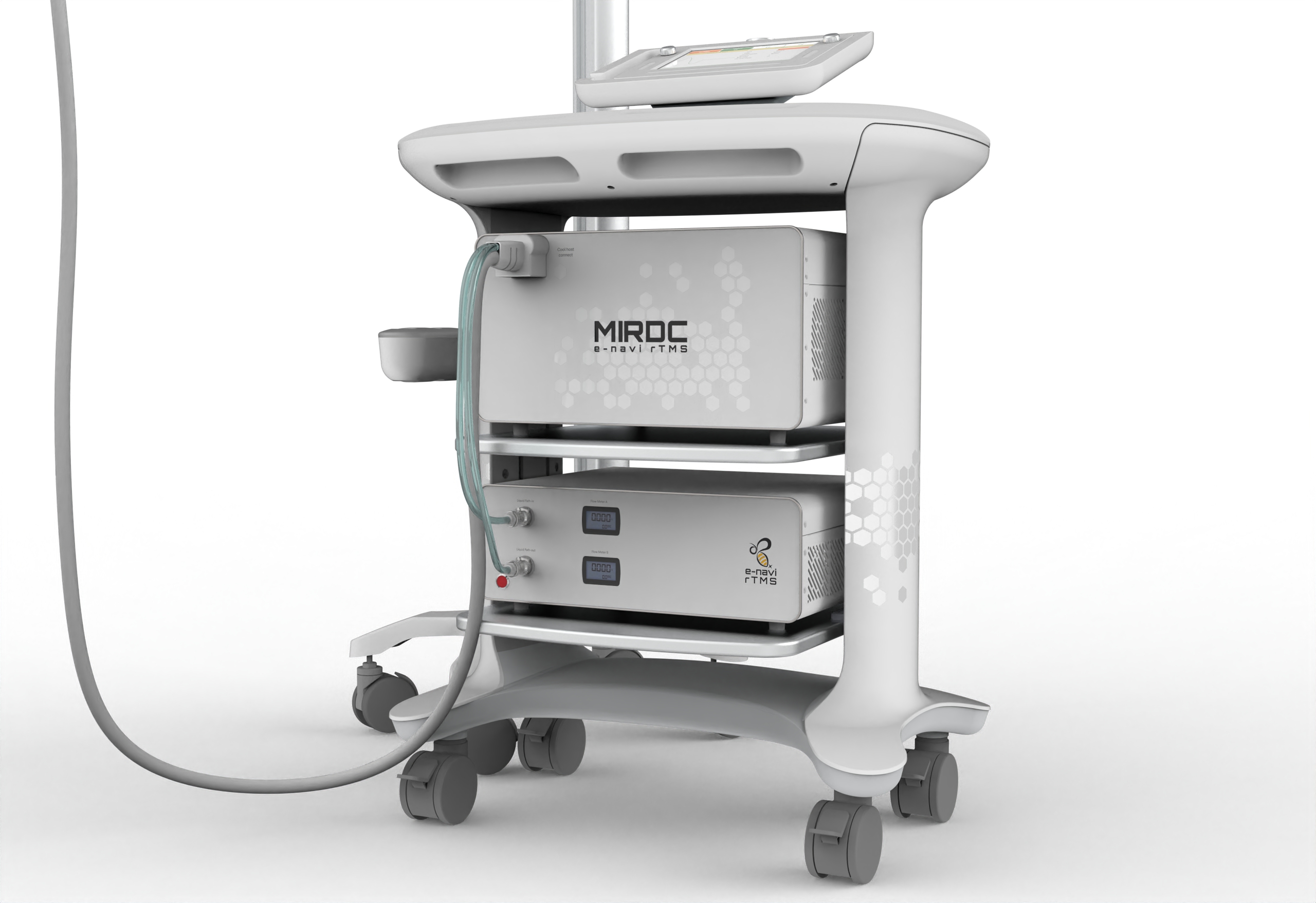
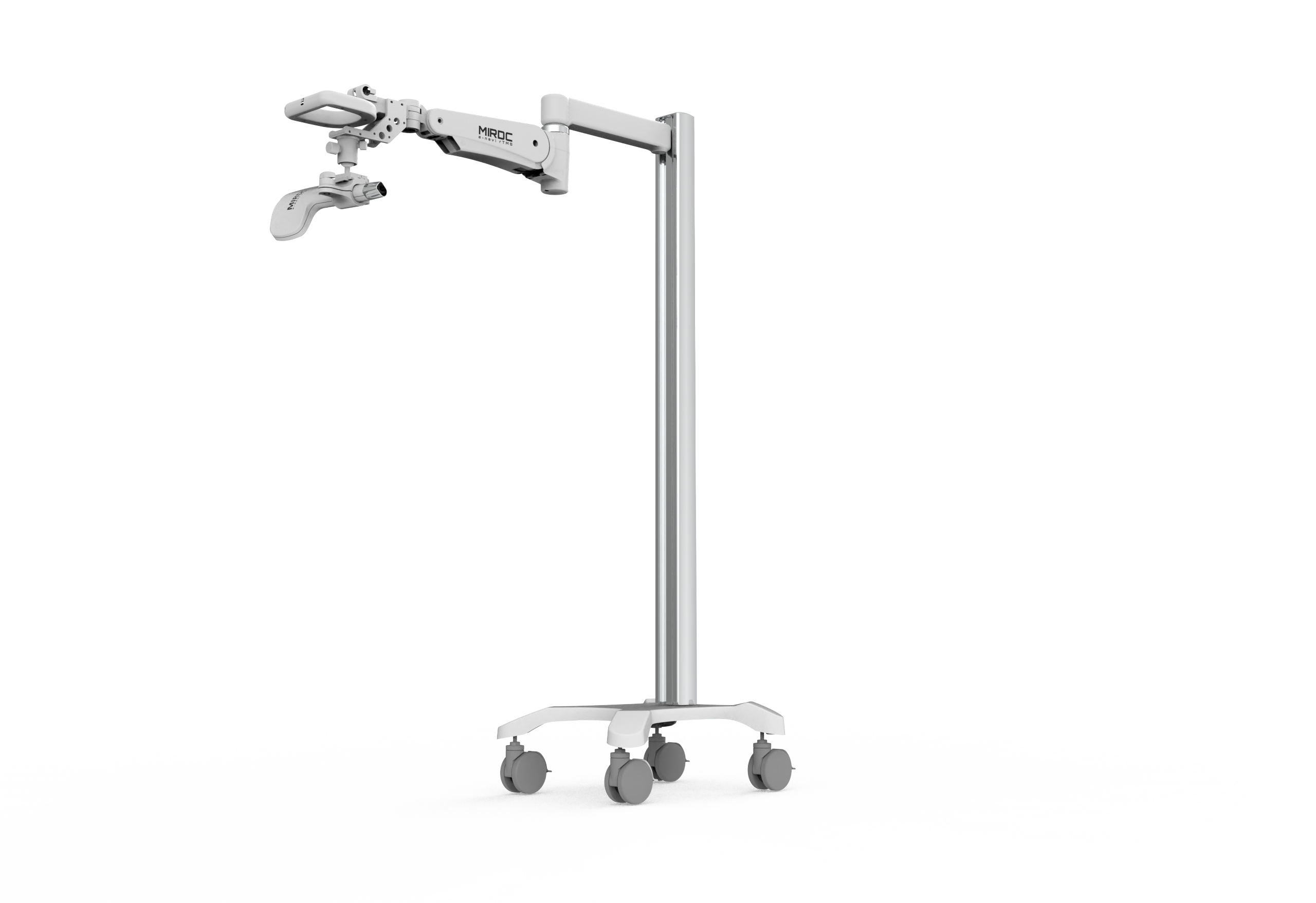
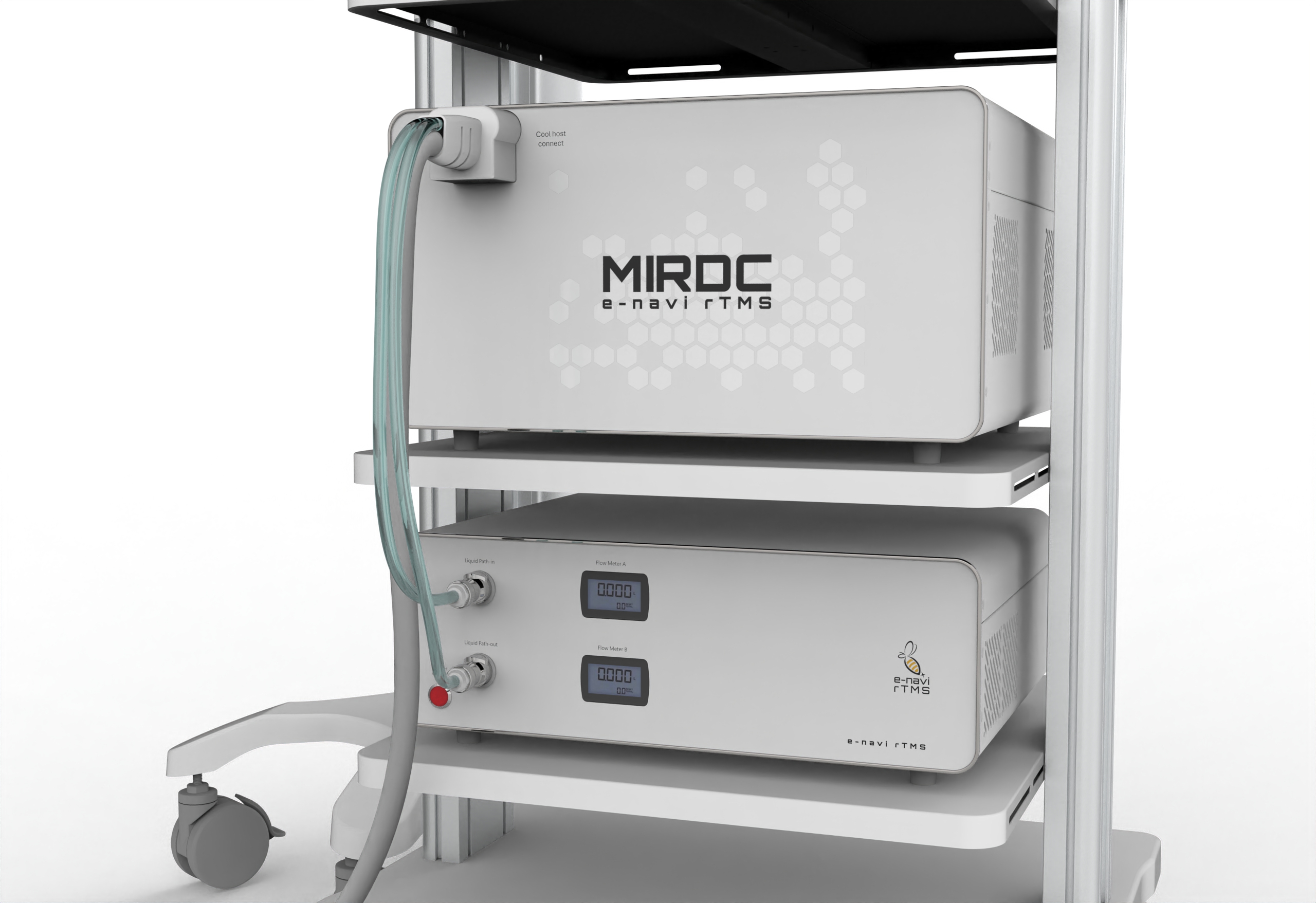
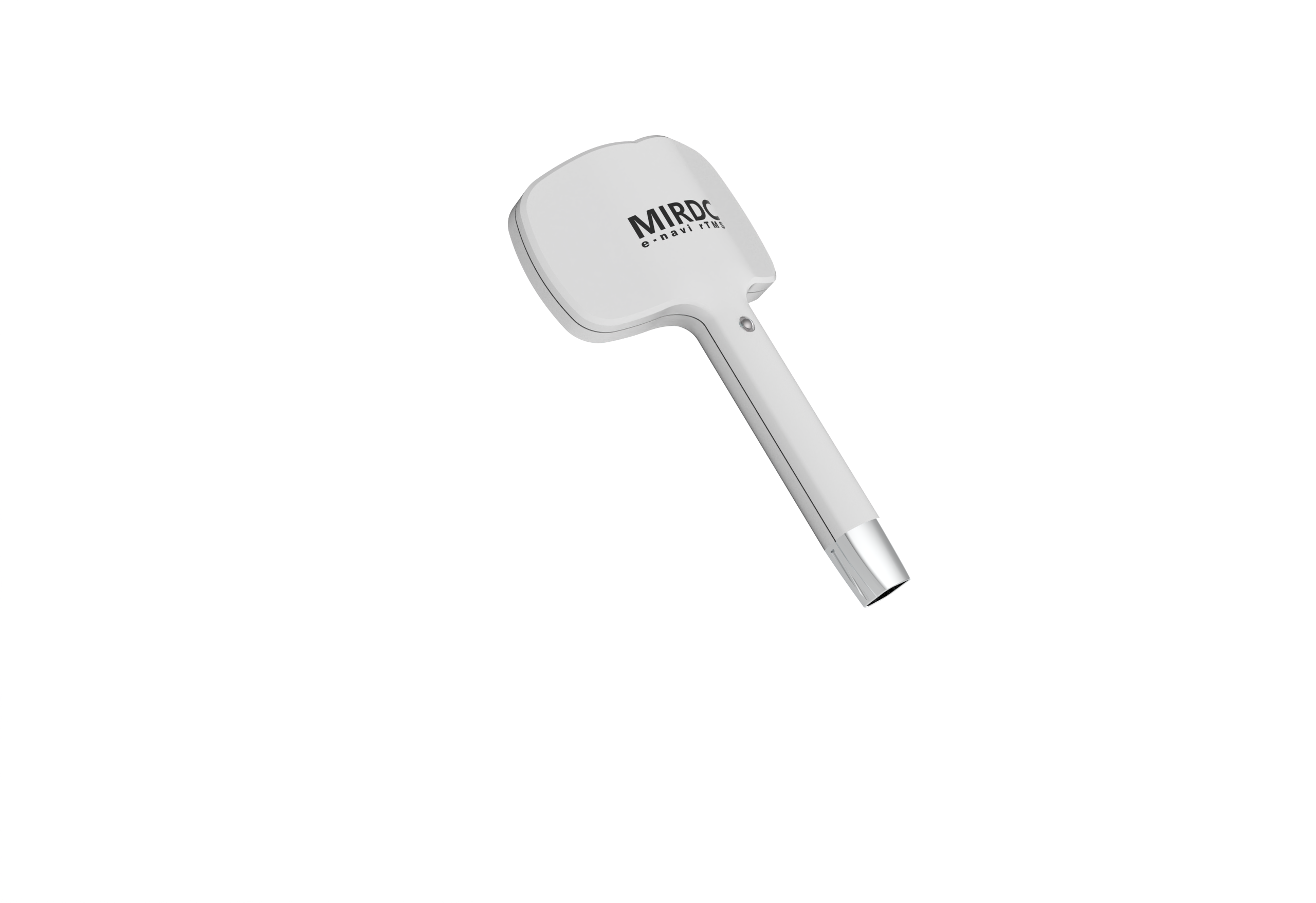
Repetitive Transcranial Magnetic Stimulation

重複性經顱磁刺激

Repetitive Transcranial Magnetic Stimulation
重複性經顱磁刺激

Technical Highlights

One-shot coverage across multiple brain regions, with precise synchronization and navigation-free operation

Deep stimulation

±12 mm tolerance range, with stimulation depth increased to 31 mm

Shortened treatment duration

Treatment time reduced by 70% while maintaining stable clinical efficacy

Technology integration

Incorporates Twinverse D backward-facing coils and multi-channel FCDD rotating electric-field technology

Application Areas

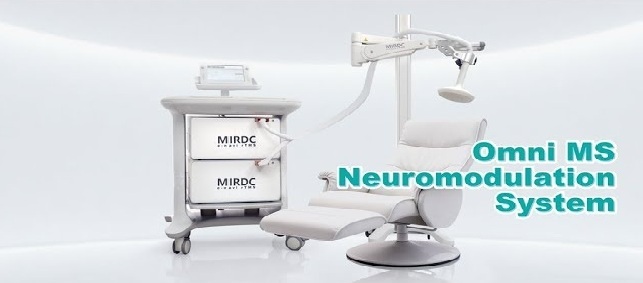
From major depressive disorder (MDD), anxiety, and obsessive-compulsive disorder, to post-stroke emotional and motor rehabilitation—and even extending to post-COVID cognitive impairment and peripheral nerve stimulation—Omni MS ushers in a new era for mental health and neurorehabilitation.

Repetitive Transcranial Magnetic Stimulation 重複性經顱磁刺激

970

million people Mental Disorders

70%

Shortened Treatment Duration

2

Supports Clinical Protocols

Repetitive Transcranial Magnetic Stimulation
重複性經顱磁刺激

970

million people Mental Disorders

70%

Shortened Treatment Duration

2

Supports Clinical Protocols

Repetitive Transcranial Magnetic Stimulation 重複性經顱磁刺激

image

Repetitive Transcranial Magnetic Stimulation (rTMS) Technology

rTMS is a non-invasive technology using magnetic fields to generate weak currents that activate neural circuits for emotional regulation, offering an alternative or complementary option for patients unresponsive to traditional treatments.

image

Expanded Therapeutic Reach and Precision

The system stimulates deeper brain regions with accuracy and flexibility, avoiding cortical overstimulation by evenly distributing the magnetic field and using multiaxis switching to cover all neuronal orientations in the targeted gyri.

image

Personalized and Adaptive Stimulation Protocols

MIRDC collaborated with US company Nove to integrate intelligent algorithms that, together with multimodal composite pulse technology, adapt stimulation patterns to each patient’s neural profile, mimicking natural brain rhythms.
Office Location